
Can You Switch A 18v Power Cord To A 13?
Views: 0 Author: Site Editor Publish Time: 2026-07-21 Origin: Site


We all face the frustration of misplacing an original power supply right when we need it most. Searching through a drawer full of old cables often leads to a tempting discovery. You find a spare plug looking perfectly identical to your missing adapter.
However, swapping a 13V adapter for an 18V version, or vice versa, is never a simple plug-and-play solution. Mismatching voltage ratings carries severe risks. These hazards range from unpredictable device behavior to catastrophic, irreversible hardware failure. You cannot simply guess when it comes to electrical compatibility.
In this guide, you will learn the fundamental electrical rules governing adapter replacements. We provide a clear, technical framework to evaluate voltage, amperage, and polarity. You will discover how to safely restore power without voiding warranties or destroying your sensitive electronics.
Key Takeaways
Voltage must match exactly: Using an 18V supply on a 13V device will likely fry the internal components; using a 13V supply on an 18V device will cause underpowering and erratic behavior.
Amperage is a minimum requirement: A replacement adapter can have a higher amperage (A) rating than the original, but never lower.
Connector polarity matters: Center-positive and center-negative barrel jacks look identical but will cause short circuits if mismatched.
Environment dictates material: Upgrading a power supply for rugged environments requires specific outer jacket specs, such as utilizing an IP67 waterproof cable.
The Core Electrical Rule: Why 18V and 13V Are Not Interchangeable
Electrical systems operate on strict mathematical principles. You cannot force incompatible power ratings together and expect a positive outcome. Let us examine exactly why mixing these specific voltages causes immediate problems.
The "Overvoltage" Danger (18V cord into 13V device)
Think of voltage as electrical pressure pushing current through a system. Circuits rely on specific pressure tolerances. If you force 18 volts into a circuit designed for 13V, you overwhelm the internal components. You apply far too much pressure for the hardware to handle.
This action instantly overloads sensitive capacitors and voltage regulators. The excess electrical energy rapidly converts into heat. This creates immediate thermal damage. You might hear a loud pop, smell burning plastic, or see actual smoke. Overvoltage frequently causes permanent motherboard death and poses a serious fire risk.
The "Undervoltage" Problem (13V cord into 18V device)
Conversely, supplying insufficient voltage starves the device. Putting a 13V adapter into an 18V device means the electrical pressure drops too low. The hardware cannot draw enough power to boot its core processors or spin its internal motors.
Sensitive equipment reacts poorly to undervoltage situations. Devices like digital guitar pedals, synthesizers, or All-in-One (AIO) PCs will exhibit strange symptoms. They might fail to power on entirely. Alternatively, they suffer from severe audio clipping, data loss, or continuous reboot cycles. Prolonged undervoltage stresses internal regulators as they struggle to compensate for the missing power.
Adapter vs. Wire
Many users confuse the different parts of a power supply. We must distinguish the bulky transformer brick from the physical electrical wire. The transformer brick dictates the actual voltage output. It converts wall AC power into usable DC power.
The cable merely carries this converted current to your device. Changing the physical cable does not change the voltage rating. You must always check the printed label on the heavy adapter brick to verify the voltage output.
Evaluating Amperage and Polarity (The Variables You Can Change)
While voltage remains an unbending rule, other electrical parameters offer some flexibility. Understanding amperage and polarity helps you find safe alternatives when exact matches remain unavailable.
Amperage (Current) as a "Pull" System
Amperage measures the volume of electrical current flowing into your device. We often compare this to the width of a water pipe. Unlike voltage, amperage operates as a "pull" system. Devices only draw the exact amount of current they require to function.
For example, a 13.5V 7A adapter safely replaces a 13.5V 5A adapter. The hardware simply pulls its required 5 amps from the source. The extra 2 amps remain unused headroom. Providing extra amperage capacity runs cooler and safer than operating at maximum limits.
The Risks of Under-Amperage
Under-amperage creates entirely different hazards. If you use an adapter featuring lower amperage than required, danger follows quickly. The device attempts to pull its normal operational current. The weaker power brick struggles to supply this massive demand.
This struggle generates excessive internal heat. The adapter overheats dangerously within minutes. You risk melting the plastic casing entirely. In severe cases, this triggers a catastrophic failure inside the brick, leading to sparks or fires.
Polarity Verification
Direct Current (DC) power flows in one specific direction. Most DC adapters utilize standard barrel jacks. These jacks feature an inner pin and an outer sleeve. They operate as either center-positive or center-negative configurations.
Look for the polarity symbol on your device chassis. It usually resembles a solid line connecting a central dot to a plus or minus sign. A mismatch acts as an instant fail condition for the hardware. Reversing the polarity sends electricity backward through the circuit. This destroys the protective diodes instantly and ruins the equipment.
Common Mistakes in Power Replacement:
Ignoring the polarity symbol entirely before plugging in the adapter.
Assuming a physically fitting plug means the electricity matches.
Believing a lower amperage rating is "safer" for sensitive electronics.
Failing to account for peak power draws during heavy processor loads.
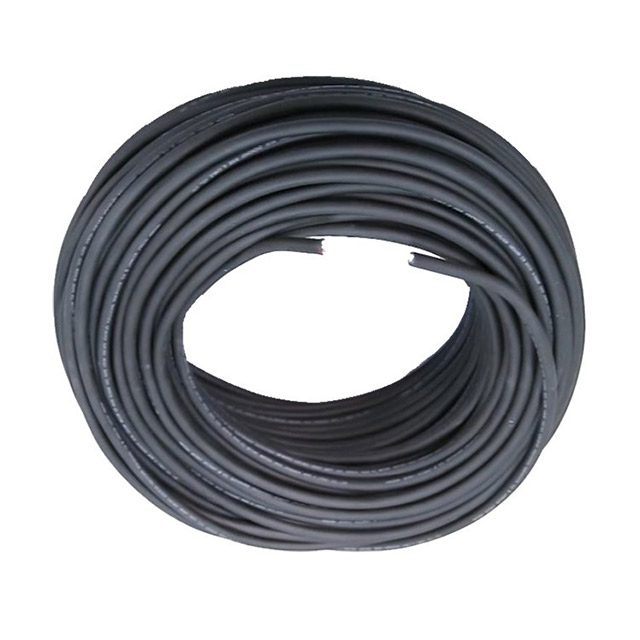
Diagnostic Framework: How to Safely Source a Replacement Power Cord
Sourcing a reliable replacement requires systematic verification. You cannot rely on guesswork. Use this professional framework to identify the perfect power cord for your specific electronics.
Step 1: Locate the Input Requirements
First, inspect the rear panel of your hardware. Search for a printed label indicating the exact DC voltage and amperage needs. It typically reads something like "18V DC, 1000mA" or "13.5V 5A".
You must treat the voltage rating as a strict, unbreakable rule. Never compromise on the voltage number. Treat the amperage rating as your minimum acceptable baseline. You can always go higher on amperage, but never lower.
Step 2: Match the Connector Size
Barrel connectors present a unique physical challenge. They often look identical to the naked eye. However, minute functional differences exist in their internal dimensions. For instance, a 5.5mm x 2.1mm plug closely resembles a 5.5mm x 2.5mm plug.
Forcing the wrong size connector creates mechanical tension. A plug that feels slightly too loose causes intermittent power drops. This frequently corrupts data or resets digital devices mid-operation. Use digital calipers to measure your original plug if you remain uncertain.
Step 3: Check for Isolated Outputs (For Audio/Daisy Chains)
Audio equipment and complex networking hubs require special attention. Sensitive gear easily picks up ground loop noise from cheap power supplies. This unwanted humming sound frequently ruins studio recordings or live performances.
To prevent this, ensure your aftermarket replacement features fully isolated outputs. High-quality replacements filter out high-frequency interference. They use dedicated transformers for each output line, eliminating the crosstalk frequently found in budget adapters.
Parameter | Matching Rule | Risk of Mismatch |
|---|---|---|
Voltage (V) | Must match exactly. | Overvoltage destroys hardware. Undervoltage causes erratic behavior. |
Amperage (A) | Must be equal or greater. | Under-amperage overheats the adapter and risks fire. |
Polarity | Must match exactly. | Reversed polarity instantly shorts out internal diodes. |
Connector Size | Must match exactly. | Loose fits cause power drops and arcing. |
Upgrading for Durability: B2B and Industrial Replacement Criteria
Replacing cables in non-standard environments demands much stricter criteria. Standard consumer plastics fail rapidly in factories, outdoor staging areas, or manufacturing floors. You must thoroughly assess your operational environment before purchasing bulk replacements.
Assessing Environmental Hazards
Industrial settings expose electronics to extreme hazards. Operators constantly step on cables, roll heavy carts over them, or expose them to extreme temperature swings. A standard PVC cable becomes brittle in freezing temperatures and melts near heavy machinery.
You must evaluate the specific daily threats your equipment faces. Does the installation site experience high humidity? Do workers use harsh cleaning chemicals near the power stations? Answering these questions dictates your required material specifications.
Material Selection
Material selection plays a massive role in electrical safety and longevity. When facing heavy dust ingress or complete water immersion risks, you should specify an IP67 waterproof cable. This specialized outer jacket protects delicate internal conductors from moisture corrosion. It prevents catastrophic short circuits during outdoor deployments.
Similarly, chemical exposure presents unique mechanical threats. Standard plastic dissolves quickly when exposed to industrial machine oils. Here, you need a neoprene rubber cord for machinery. Neoprene highly resists solvents, cutting fluids, and heavy mechanical abrasion. It easily survives being dragged across rough concrete floors daily.
Compliance and Certifications
Commercial operators must always verify electrical compliance and local certifications. Corporate liability requires strict adherence to international safety standards. You should actively look for UL, CE, or RoHS listings on the adapter block and the cable jacket.
Uncertified cables pose severe fire risks. They often lack necessary internal shielding and fail basic thermal stress tests. Using non-compliant hardware frequently voids commercial insurance policies and puts your workforce at unnecessary physical risk.
Best Practices for Industrial Upgrades:
Audit your environment for moisture, heat, and chemical exposure points.
Select outer jackets specifically rated for your most extreme daily hazard.
Keep documentation of all UL/CE certifications for insurance compliance.
Implement regular physical inspections of cable flex points to prevent fraying.
Common Workarounds and Why to Avoid Them
Many users attempt clever shortcuts to solve immediate power delivery issues. These quick fixes often seem brilliant at first. However, they usually result in damaged electronics and costly replacements. You should actively avoid these common electrical pitfalls.
Daisy-Chaining Mixed Voltages
Musicians and IT technicians often try running a split setup to save space. They daisy-chain multiple devices off a single high-capacity power brick. This works well if every device shares the exact same voltage requirement.
However, mixing 18V and 13V equipment on the same daisy chain destroys hardware. Without proper isolated step-down converters on the 13V lines, the higher voltage bleeds across the shared ground connection. This sends an unexpected 18V surge directly into the 13V inputs, instantly blowing their internal capacitors.
Cheap Universal Adapters
Multi-voltage adapters feature interchangeable connector heads and a small selectable voltage switch. They market themselves as incredibly versatile tools. You might think one adapter can safely run both your 13V and 18V devices interchangeably.
Unfortunately, these budget units often suffer from terrible internal voltage regulation. The mechanical switch easily gets bumped during transit. A slight accidental shift changes the output from 12V to 18V without warning. The resulting surge instantly kills sensitive electronics. Furthermore, they frequently introduce severe electronic noise into sensitive audio circuits.
Conclusion
We must reiterate the final verdict clearly: Never mix 18V and 13V power supplies. The mathematical rules governing electronics do not allow for casual voltage substitutions. Forcing incompatible voltages guarantees erratic performance, permanent hardware damage, or dangerous thermal events.
Always purchase an exact voltage match. You must ensure the replacement offers equal or greater amperage capacity. Prioritize excellent build quality and verify the exact polarity over simply grabbing the quickest available option. By following this strict framework, you protect your valuable equipment and guarantee safe, reliable operation for years to come.
FAQ
Q: Can I use an 18V power cord on a 9V or 12V guitar pedal?
A: No, unless the pedal is explicitly rated for an 9V-18V operating range, otherwise it will blow the internal capacitors.
Q: What happens if the replacement cord has the same voltage but lower amps?
A: The adapter will overheat, potentially melting the casing or causing a fire, and the device will shut down under load.
Q: Are AC and DC power supplies interchangeable if the voltage matches?
A: Absolutely not. AC outputs into DC devices will cause catastrophic failure instantly.


